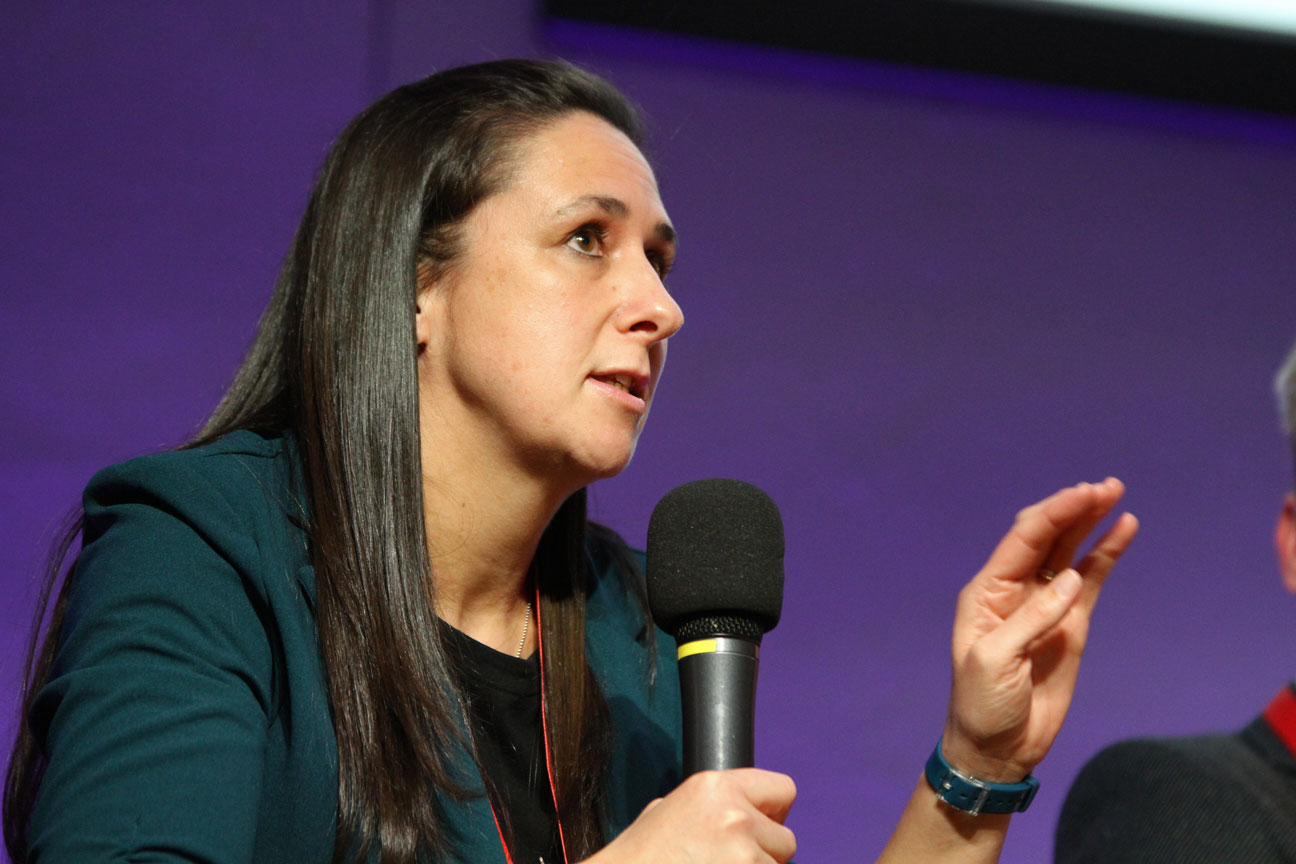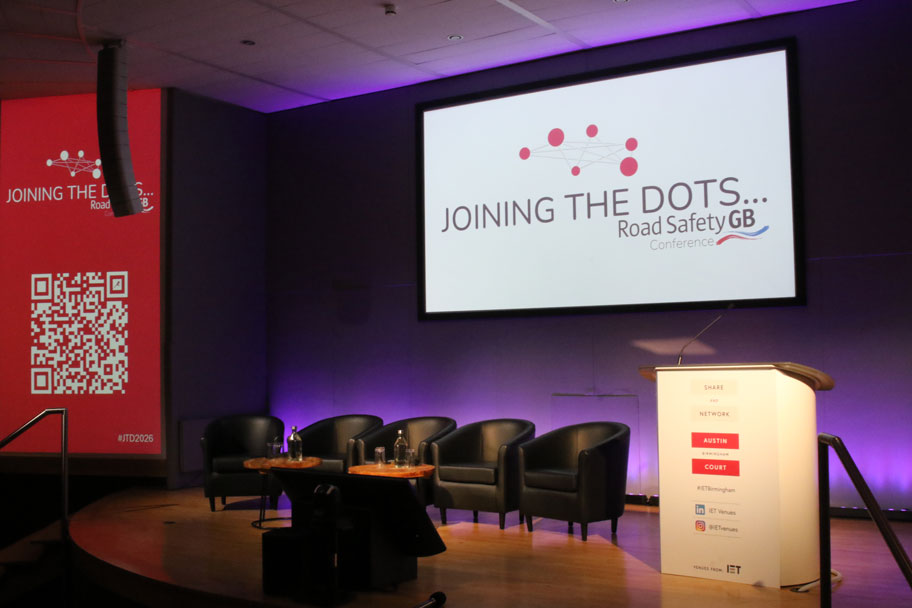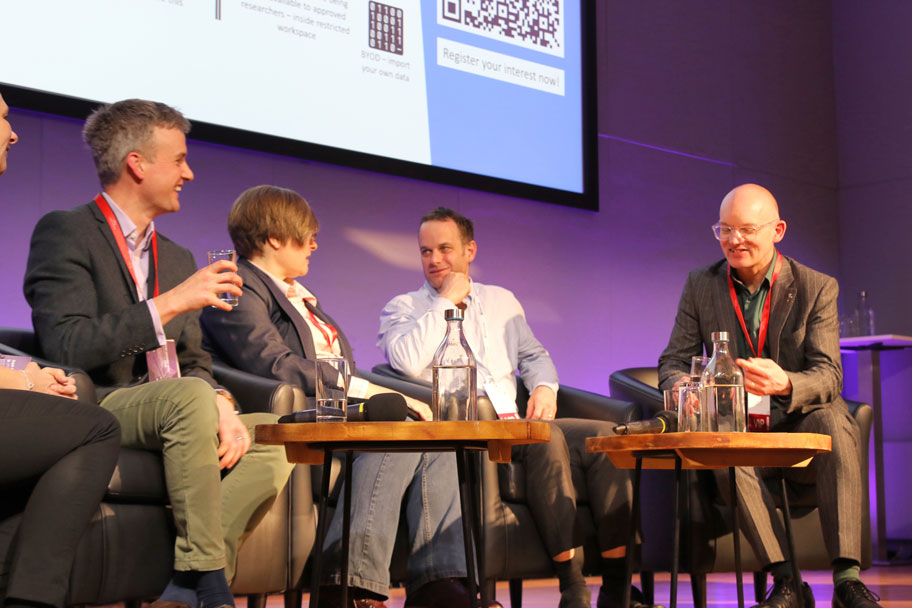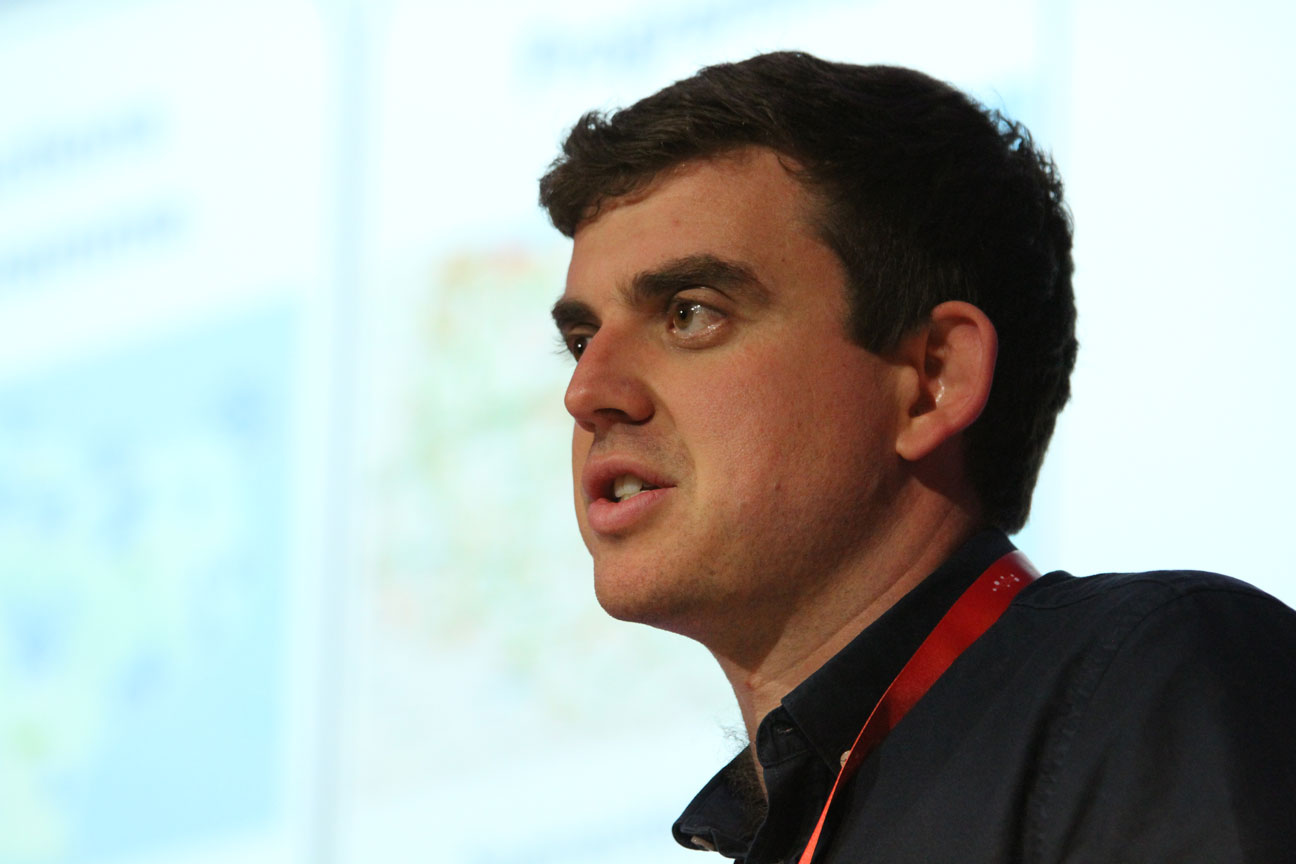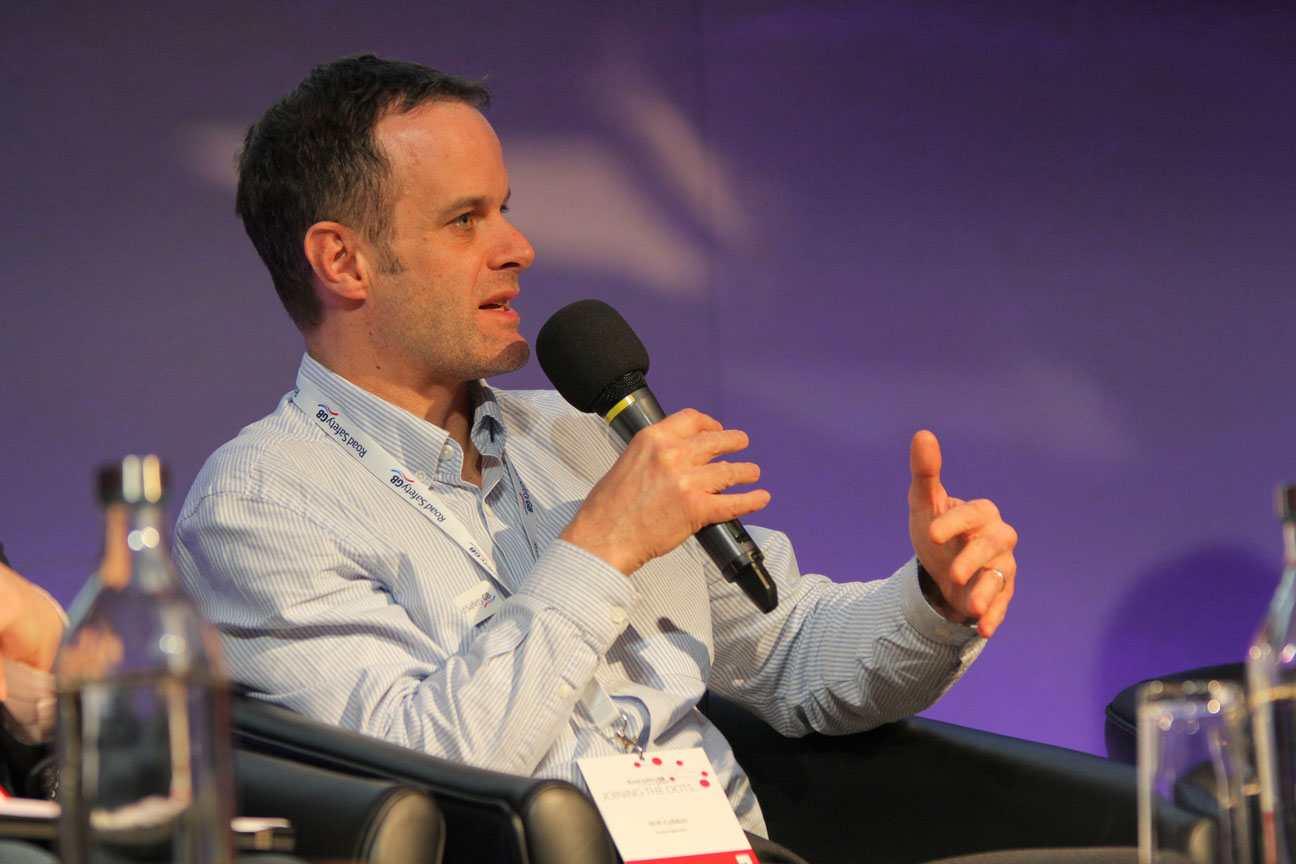

This week, Road safety professionals gathered in Birmingham for the 11th annual Joining the Dots Conference. The event once again demonstrated why it has become a flagship date in the road safety data calendar, bringing together analysts, policymakers, practitioners and technologists with a shared purpose.
We extend our sincere thanks to everyone who attended, spoke, supported and contributed to making this year’s conference such a success. The energy in the room reflected not only technical excellence, but also the strength, collaboration and commitment that define the UK’s road safety data community.
We were honoured to welcome Lilian Greenwood, Parliamentary Under-Secretary of State at the Department for Transport, who officially opened the conference with a keynote address. Coming shortly after the publication of the new Road Safety Strategy, her contribution was both timely and significant, reaffirming that road safety sits at the heart of the government’s national missions.
She challenged the sector to consider how data, evidence and collaboration can be harnessed to deliver meaningful and measurable change, emphasising the importance of analysts and data professionals in achieving this vision. The Minister’s message, “A safer future is within our sights, and it’s driven by data”, set the tone for a day focused on the latest developments in analytical approaches and capability, highlighting how the landscape is rapidly maturing with increasing availability of new data sources.
The opening technical session from the Department for Transport set out an ambitious vision for a modern, connected road safety data environment that fully supports the Road Safety Strategy and enables a data-led Road Safety Investigation Branch.
Speakers highlighted the limitations of fragmented systems and made a compelling case for developing linked, high-quality, interoperable datasets, emphasising that integrating cross-sector sources, including health data, is essential to strengthening the evidence base underpinning policy decisions and targeted interventions. Colleagues from Transport for Greater Manchester and Transport for West Midlands then brought the national strategy to life through powerful regional perspectives: in the West Midlands, delegates reflected on the historic legacy of car-first infrastructure and the long-term commitment required to rebalance streets in favour of safer, healthier communities, highlighting both the scale of the challenge and the opportunity for transformation through sustained, evidence-led investment; meanwhile, Greater Manchester shared progress on its Vision Zero journey, including partnership working, insights from Fatal Review Panels, the development of performance indicators, and the critical role of data in shaping both action planning and accountability.
Throughout the day, sessions showcased how the road safety analysis profession continues to innovate and evolve in response to emerging challenges and rapid technological advances. The RAC Foundation presented pioneering research, supported by the Road Safety Trust, linking vehicle technology, deprivation and safety outcomes by expanding the traditional STATS19 vehicle dataset from six to around sixty variables, unlocking significant new analytical potential.
The Lancashire Road Safety Partnership demonstrated automated STATS19 dashboards and highlighted the value of multi-agency fatal and serious injury review groups in translating data into coordinated action. Meanwhile, Kent County Council illustrated how connected vehicle near-miss data is enabling a shift from reactive to proactive crash remedial programmes, identifying previously unseen high-risk sites and evidencing behavioural change following interventions. Innovative analytical techniques were also on display, including a novel vehicle-level STATS19 visualisation approach that brings greater clarity to complex junction layouts such as “hamburger” roundabouts. National Highways shared progress on its Road to Zero Harm programme, strengthening the long-term evidence base for forecasting safety outcomes across vehicle technology, infrastructure and behaviour. Researchers from Newcastle University introduced a decision-support tool designed to help practitioners deploy and evaluate countermeasures using advanced statistical techniques, helping bridge the gap between academic research and frontline application. Sessions examining harsh braking data explored both its promise and its limitations, offering practical solutions to known dataset challenges while reinforcing the importance of critical appraisal. The day also highlighted enforcement innovation, with Vision Zero South West and Devon & Cornwall Police presenting the UK’s first long-term operational deployment of AI-enabled enforcement technology targeting mobile phone and seatbelt misuse, demonstrating sustained and significant behavioural change.
Joining the Dots has always been about more than sharing datasets. It is about connecting people, ideas and evidence to drive real-world impact. As the conference enters its second decade, it continues to demonstrate that when data, policy and practice are truly aligned, progress accelerates. We look forward to welcoming back delegates in 2027.